-
 Media gallery
-
 Media gallery
-
 Media gallery
-
 Media gallery


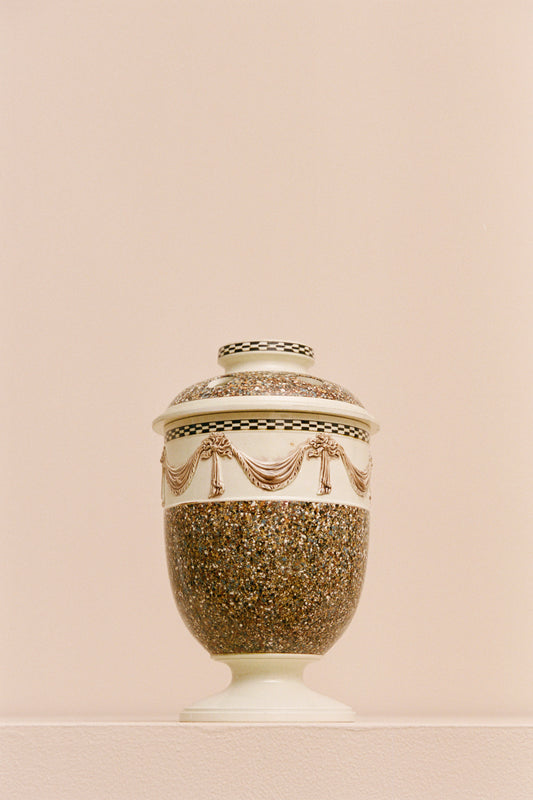
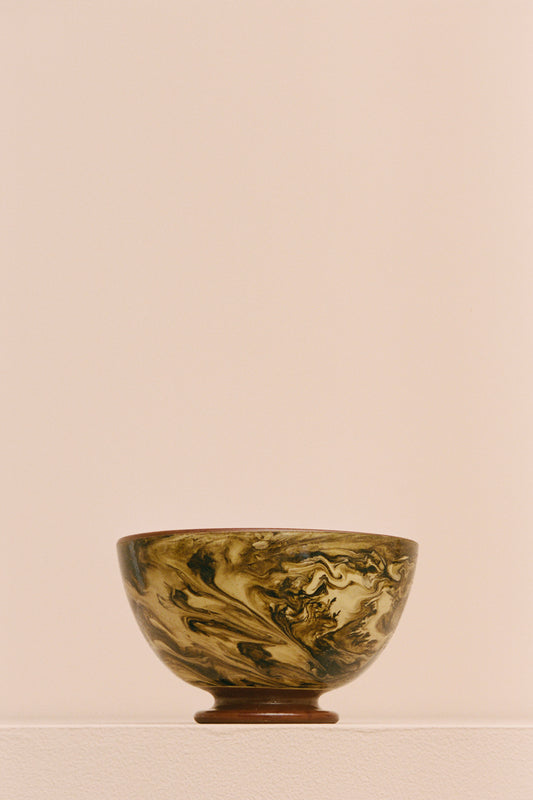
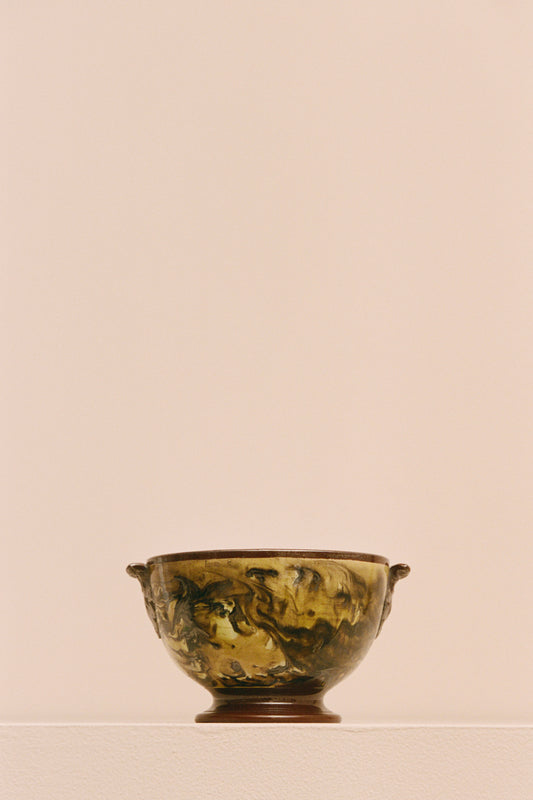
Agateware Bowl
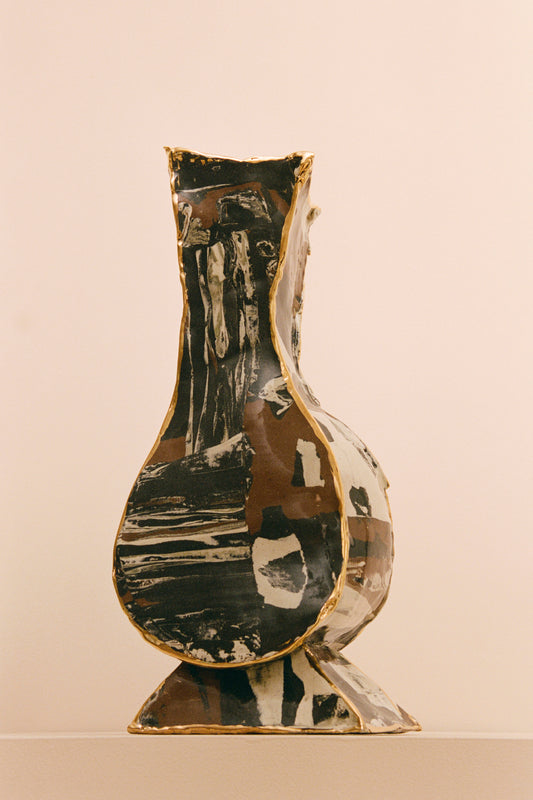
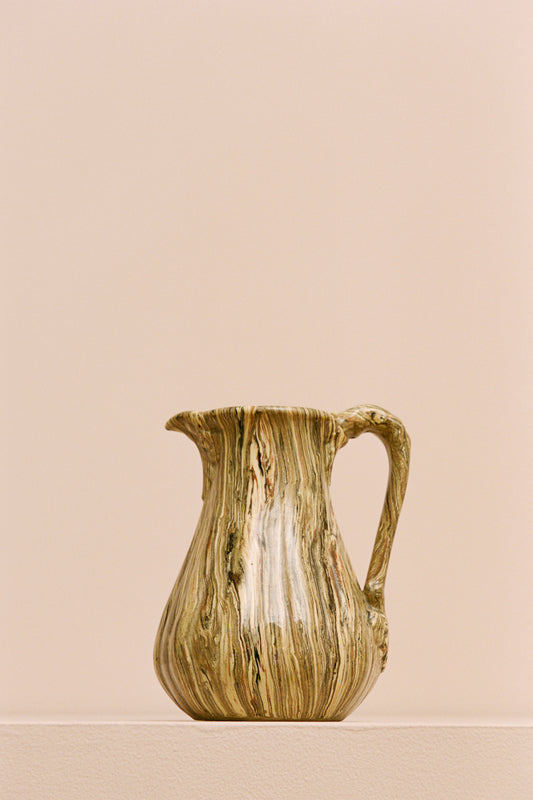
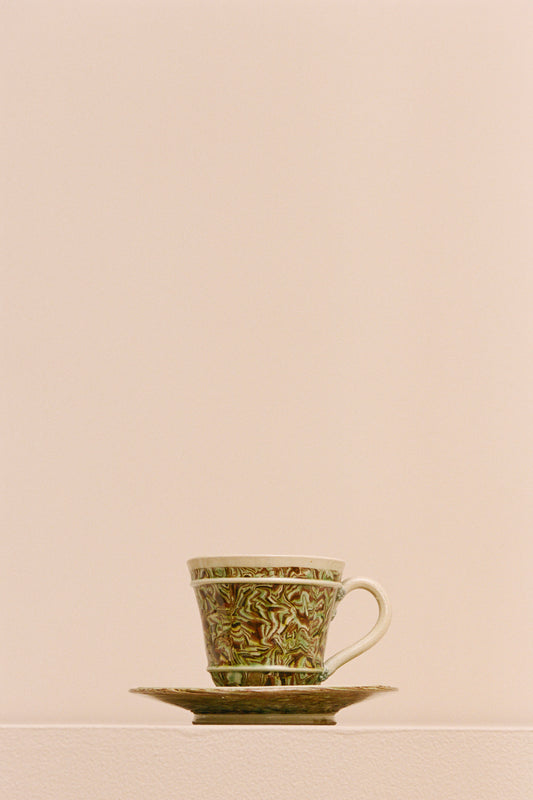
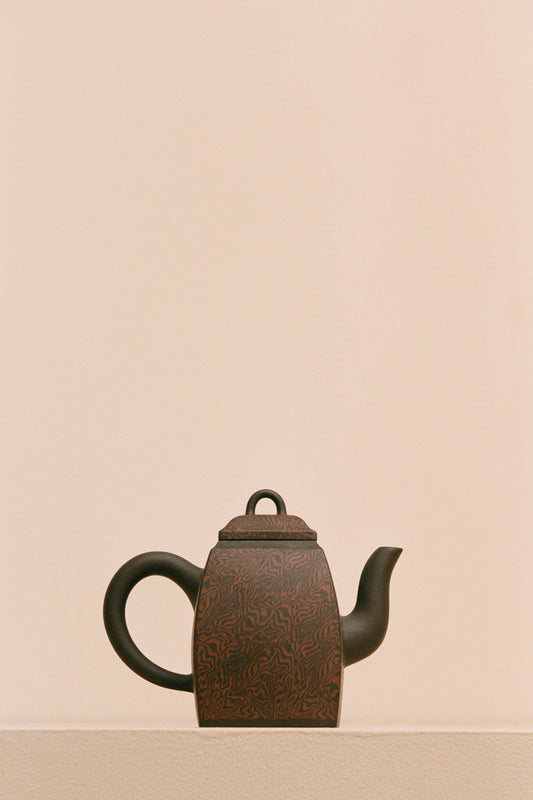
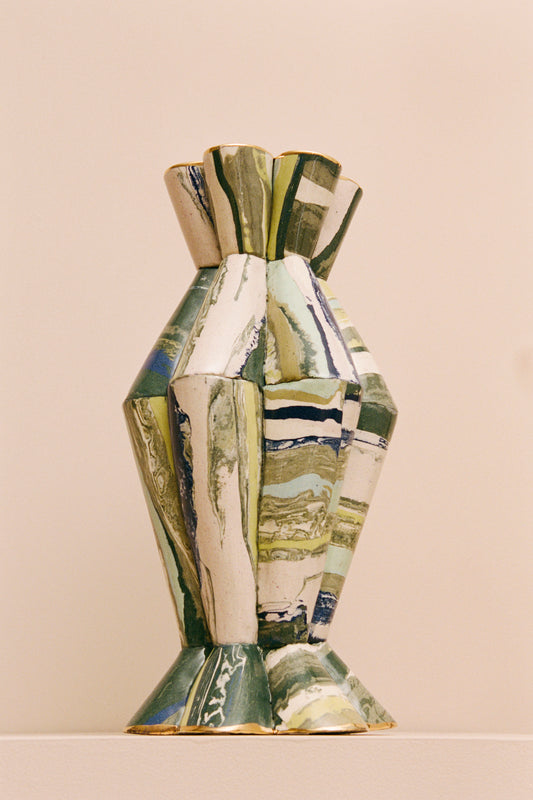
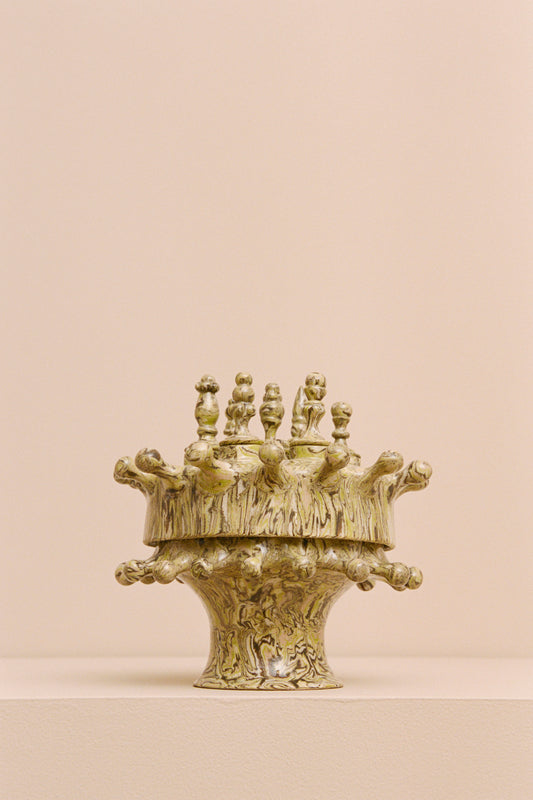
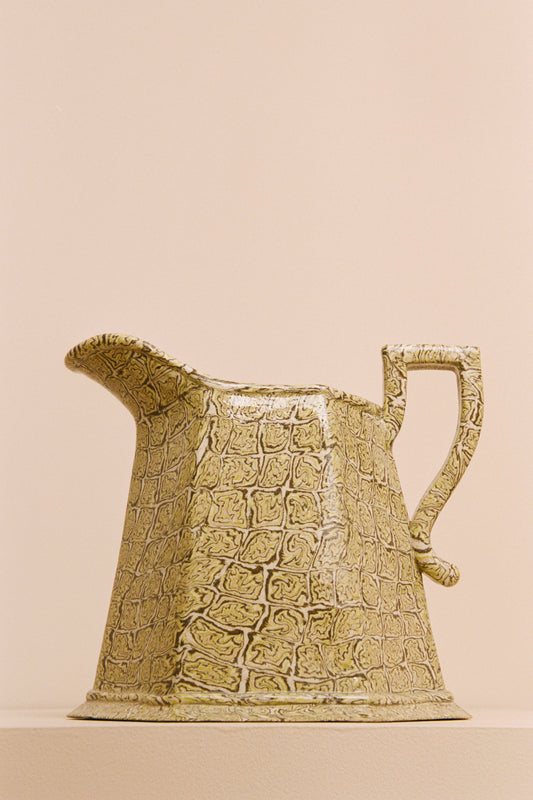
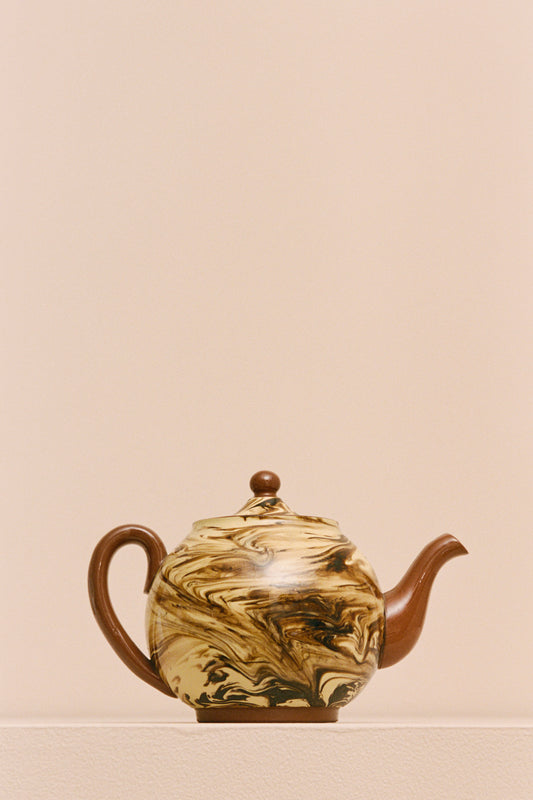
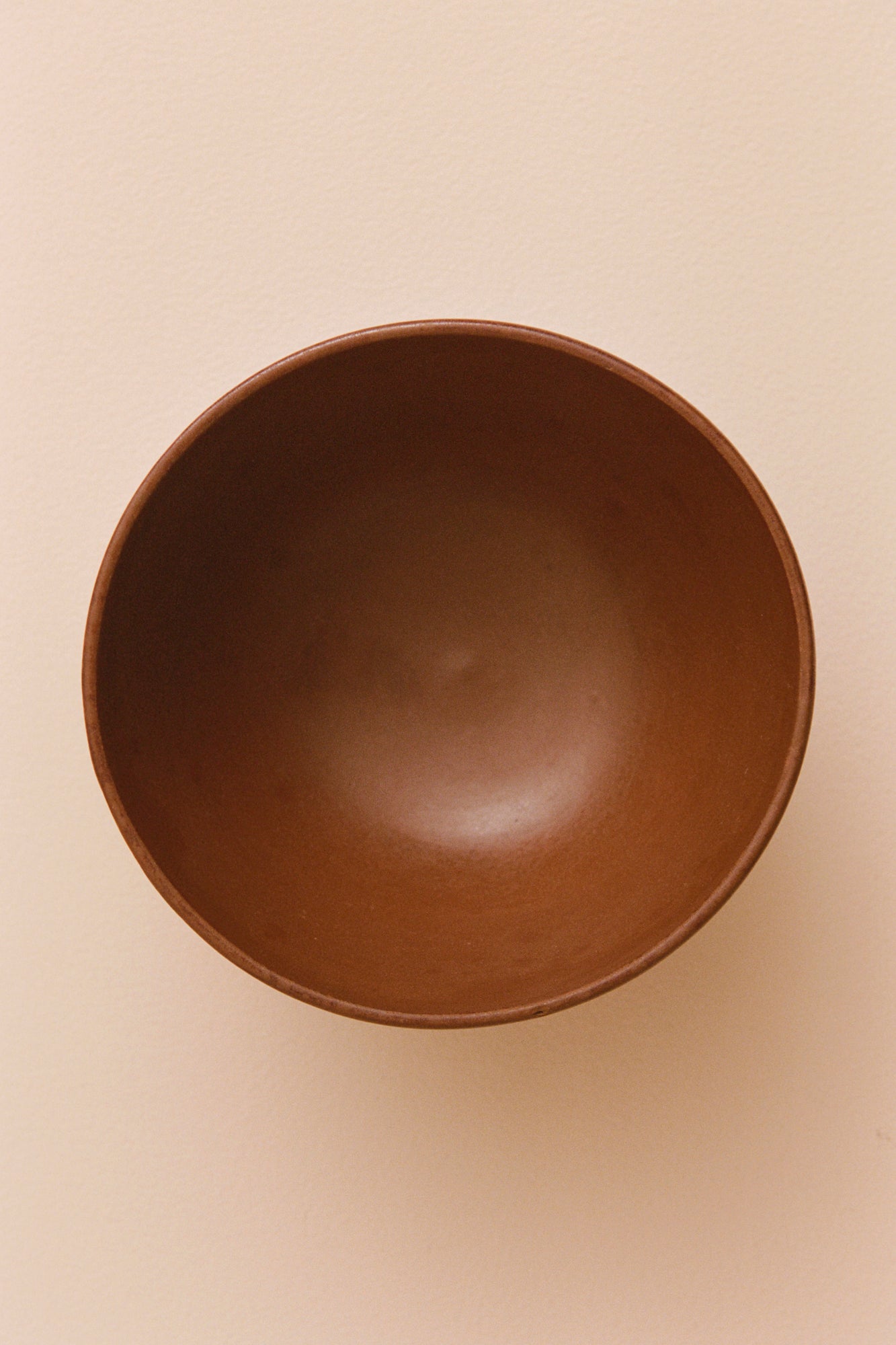
Agateware, developed in 18th-century England at potteries like those of Josiah Wedgwood, is a ceramic technique in which differently colored clays are marbled together to imitate the natural patterns of agate stone. Made by blending differently colored clays together, the combined clays are then sliced, twisted, or thrown, so the colors marble through the body before the piece is shaped and fired. In this way, the pattern runs through the material itself, rather than sitting on the surface like a decorative glaze. This red earthenware bowl, made in France around 1840, has an attractive molded rounded foot and a deep recessed base. A wide cream-colored band was applied to the side after molding, then black, white, and tan glazes were applied, creating a beautifully marbled agate decoration.
Year: c 1840
Material: Clay
Dimensions: Ø 6 x H 3 ¾ in
SKU: JSG-HF275


Thank you for your interest in our collection, inquire below and we will get back to you as soon as possible.